
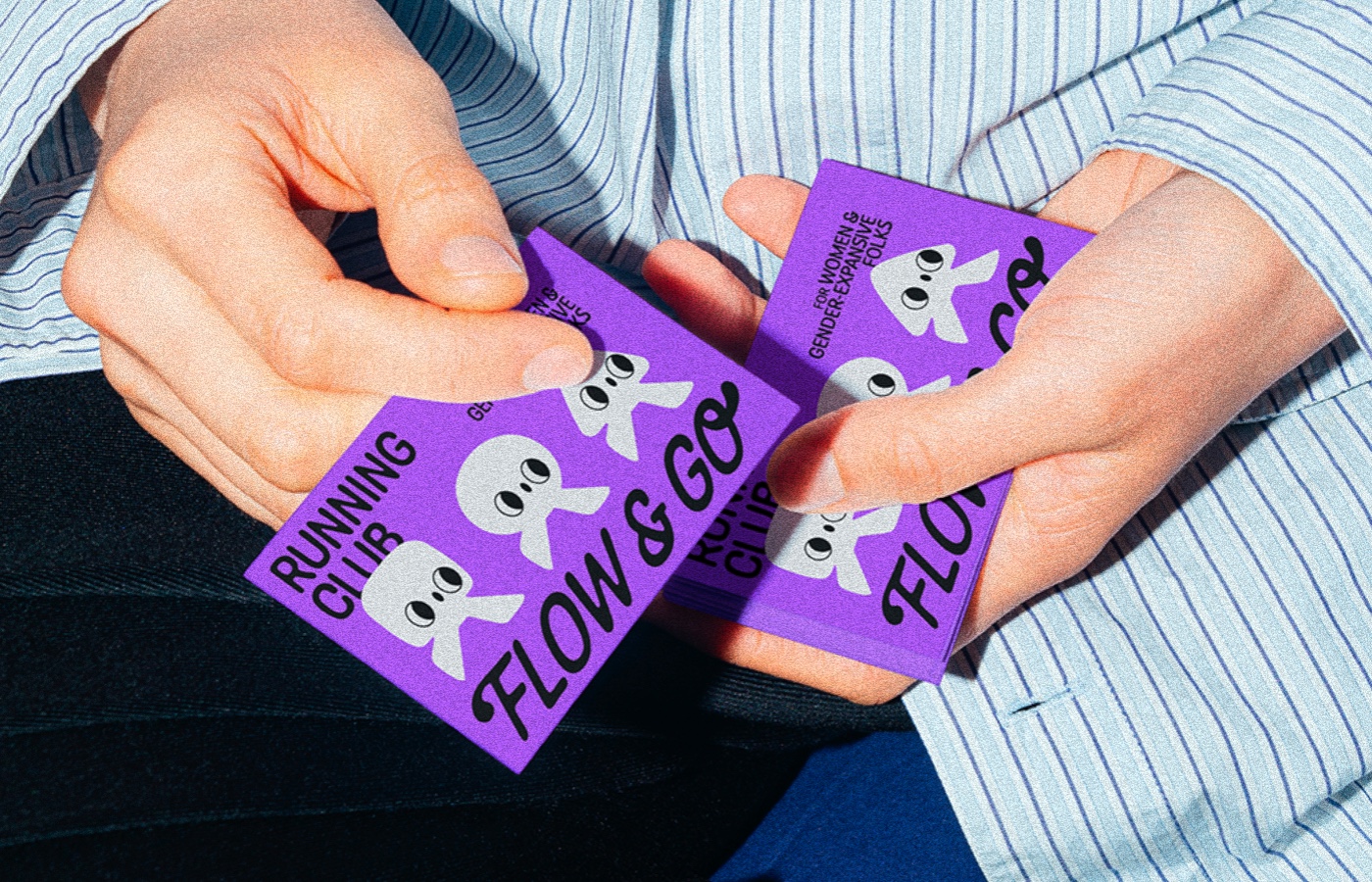
How Brand Designer Skojie Uses Bravemark to Present Brand Identity Concepts and Deliver Seamless Online Brand Kits
When Skojie talks about becoming a brand designer, it doesn’t sound like some five-year master plan. It sounds more like a happy accident.
“I kinda stumbled into branding,” she says.
Ten years ago, she went to graphic design school. But instead of going straight into brand identity work, she explored other creative paths. It wasn’t until two years ago, after joining one of those weekly brand design briefs on Instagram just for fun, that she found her way back to branding.
“I ended up having so much fun that I pivoted my entire life around and became a full-time freelance brand designer.”
Now, she works with everyone from tiny cafés to massive concerts and festivals, building bold, colorful identities that feel playful and human. And every single one of those projects runs through Bravemark.
Here’s how.
Meet Skojie: A Bold, Playful Brand Identity Designer
Skojie describes her design style in three words:
Bold. Colorful. A little unserious.
“I design things that cheer people up.”
Her clients span industries, but they all share one thing: personality. Whether it’s a small local business or large-scale merch for events, she gravitates toward projects that feel fun and expressive.
That energy shows up not just in the visual identity — but in how she runs her projects.
Her Brand Identity Process: From Moodboards to Final Brand Kit
Like many experienced brand designers, Skojie starts with strategy before jumping into visuals.
First, she digs into:
The business and its goals
The target audience
The competitive landscape
Opportunities to stand out in a real way
From there, she creates two different brand direction mood boards. After the client picks one, she dives into sketching and working through ideas until it starts coming together.
“I sketch out a bunch of ideas and explore different routes until I hit gold.”
Every design decision has a clear rationale behind it. In presentations, she walks clients through not just what she designed, but why.
And once everything is approved?
Clients receive a neatly organized online brand kit and brand book that helps them show up consistently with their new identity.
Before Bravemark: PDF Decks and Manual Guidelines
Before using Bravemark, Skojie relied on traditional presentation decks exported as PDFs.
“They worked fine,” she says. “But it was a bit more time intensive.”
The main issue wasn’t the presentation itself. It was what happened after it was sent. If she spotted a typo or small mistake, there was no easy way to fix it without exporting and resending everything.
“But with online brand kits or guidelines, I can simply sneak in fixes afterwards,” she explains.
That small difference makes a big impact. Because everything lives online, she can refine details even after sharing, correcting small errors without rebuilding entire decks. For someone who calls typos her worst enemy, that flexibility matters.
Presenting Brand Identity Concepts with Bravemark
About six months ago, Skojie started using Bravemark for her projects. Now, she doesn’t run a single brand identity project without it.
Instead of exporting multiple PDF presentations, she creates dedicated Bravemark layouts for each brand direction and shares a private URL with her clients.
For clients, the experience is simple:
No large files to download
No digging through attachments
Everything accessible in one clean link
“Everyone’s been responding really well. For clients, it’s simpler than having to download a bunch of PDFs.”
Since it’s all online, Skojie can tweak little mistakes after it’s been shared instead of exporting and sending a new version every time.
For a fast-moving freelance workflow, that flexibility adds up.
A Better Way to Collect Client Feedback
Client feedback can make or break a brand identity project.
Skojie focuses on making that process easier on both sides.
In addition to using Bravemark to centralize presentations, she includes a simple feedback guide for clients. That structure helps clients articulate their thoughts more clearly — and reduces vague, confusing revision requests.
“Make the process as easy as possible for the client too,” she says. “That makes giving feedback less stressful for them, and you get really useful and precise feedback in return.”
The result? A smoother approval process and fewer unnecessary back-and-forth cycles.
Delivering a Complete Online Brand Kit (Without Dreading It)
For many designers, creating brand guidelines can feel like the most exhausting part of a project.
For Skojie, that changed once she started building brand kits directly inside Bravemark.
“I let Bravemark do most of the work,” she says.
Because the platform automatically structures key elements like logos, fonts, and colors, she just adds supporting visuals, usage examples, and drags in the downloadable files.
Done.
Clients receive:
Organized logo files
Typography specifications
Color systems
Downloadable assets
A clean, easy-to-navigate brand guide
“They love how simple and easy everything is. The overall style and setup have also received quite a few compliments.”
More importantly, it makes the project feel finished.
It makes the project feel properly wrapped up.
Real Examples: Skojie’s Bravemark Projects
You can see this workflow in action in projects like:
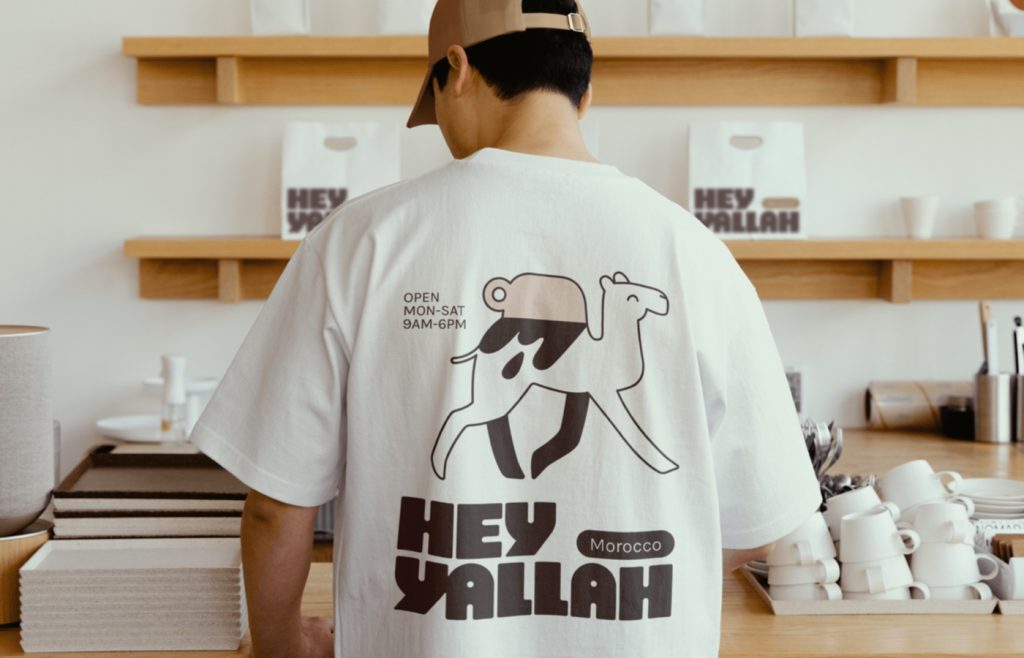
Heyy Allah
A vibrant, expressive identity presented and delivered entirely through Bravemark
https://app.bravemark.co/skojie/heyyallah
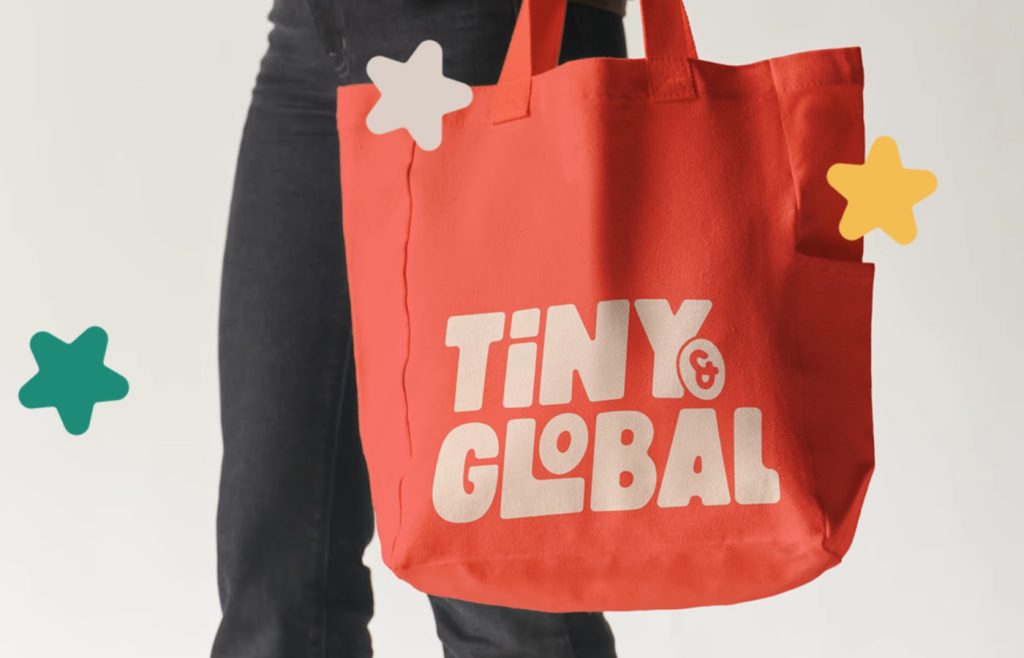
Tiny & Global
A distinct brand direction developed and handed off through an online brand kit
https://app.bravemark.co/skojie/tinyandglobal
In both cases, the presentation, feedback, approval, and final asset delivery happen in one connected system.
The Impact: Saving Time and Reducing Friction
For Skojie, the biggest change has been efficiency.
“I’ve been saving so much time. I honestly don’t dread making guidelines as much anymore.”
Instead of manually building brand guideline PDFs from scratch every time, she uses a streamlined workflow that supports how she already designs.
That means:
Faster turnaround
Less repetitive production work
A more premium client experience
And more energy for what she actually enjoys: designing bold, joyful identities.
Advice for Designers Struggling with Presentations and Feedback
If there’s one takeaway from Skojie’s process, it’s this: make the presentation and feedback process easier for everyone involved.
“Find a way to streamline your presentation workflow,” she says. “Whether that’s with Bravemark, templates, or what have you. Make the process as breezy as possible.”
She also includes a simple feedback guide for clients. It gives them structure and clear prompts to respond to, which makes feedback less overwhelming on their end and far more useful on hers.
When clients know exactly what kind of feedback you’re looking for, projects move faster, and revisions become more focused.
No slogans. Just practical advice. Much more human.
About Skojie
Skojie is a freelance brand designer and illustrator known for bold, colorful identities that don’t take themselves too seriously. After rediscovering her love for branding through weekly design briefs, she pivoted into full-time brand identity work and now collaborates with everyone from tiny cafés to large-scale concerts and festivals.
Her work focuses on building brands that feel playful, human, and instantly memorable — always rooted in clear strategy and thoughtful execution.
You can explore more of her work at www.skojie.studio, visit her Bravemark profile page, and follow her on Instagram to stay up to date with her latest projects on @by.skojie.

